

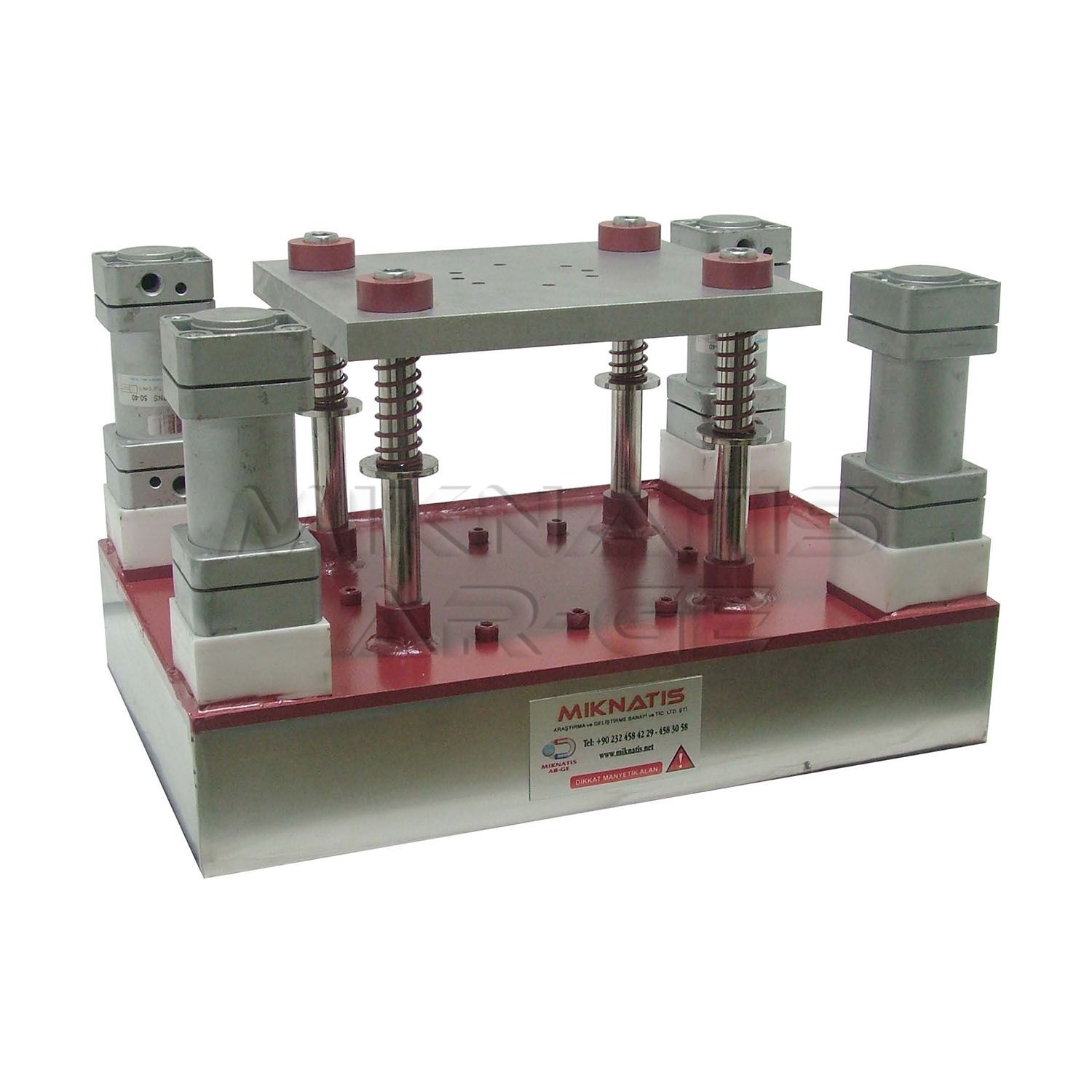
In the fast-paced world of industrial automation and logistics, efficient material handling is paramount. Palletising magnets play a crucial role in streamlining the process of stacking and unstacking ferrous materials, significantly enhancing productivity and safety on production lines. These specialized magnetic systems are engineered to securely grip and transfer items such as cans, metal lids, automotive parts, and various other ferromagnetic components, making them indispensable in modern manufacturing and packaging operations.
Palletising magnets operate on the principle of magnetic attraction, utilizing powerful magnetic fields to create a strong, secure grip on metallic objects. Depending on the application, they can incorporate different magnetic technologies:
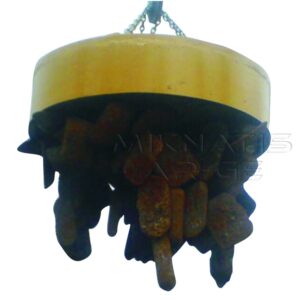
- Electromagnets: These magnets generate a magnetic field when an electric current passes through a coil. Their main advantage is the ability to turn the magnetic force on and off instantly, offering precise control over the picking and releasing of items. This makes them ideal for high-speed, automated lines.
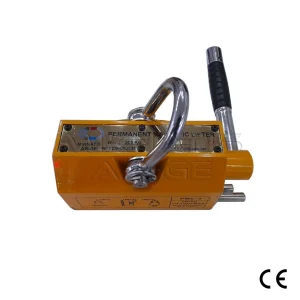
- Permanent Magnets: Made from naturally magnetic materials, these provide a constant magnetic field. While they offer simplicity and require no power, releasing items typically involves a mechanical mechanism or a “sweeper” action, which can be less precise for rapid palletising.
- Electro-Permanent Magnets: Combining the benefits of both, these magnets use a brief electrical pulse to switch between a magnetized and demagnetized state, maintaining magnetic force without continuous power consumption once activated. They offer energy efficiency and inherent safety, as the load remains held even during a power failure.
The primary benefit of these systems lies in their ability to handle multiple items simultaneously, irrespective of their shape or orientation, provided they are ferromagnetic. This capability dramatically reduces cycle times compared to traditional gripper systems, which often require precise alignment or individual handling.
Technical Specifications and Operational Considerations
When selecting a palletising magnet, several technical specifications must be carefully evaluated to ensure optimal performance and safety:
- Lifting Capacity and Holding Force: This refers to the maximum weight the magnet can safely lift. It’s crucial to consider the weight of the items being handled, plus a safety margin. Holding force is affected by the material’s thickness, surface finish, and air gap between the magnet and the material.
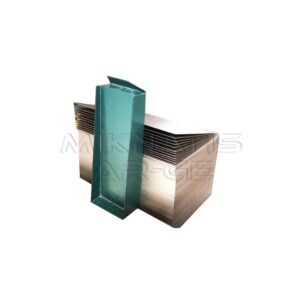
- Magnetic Field Depth: The effective depth of the magnetic field determines how many layers of material (e.g., thin metal sheets or can lids) the magnet can pick up. Magnets with deeper fields are suitable for handling multiple stacked items.
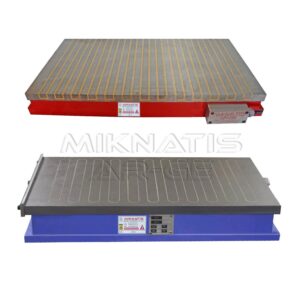
- Footprint and Configuration: Palletising magnets come in various sizes and shapes, from circular to rectangular, to accommodate different product layouts on a pallet. Custom configurations are often available to match specific robotic arm interfaces and pallet patterns.
- Power Requirements and Control: For electromagnets and electro-permanent magnets, understanding voltage, current, and control signals is vital for seamless integration with existing robotic or PLC systems. Many systems include sophisticated control units for precise activation and deactivation.
- Safety Features: Essential safety mechanisms include sensors to detect load presence, emergency stop functions, and, in the case of electro-permanent magnets, load retention during power outages.
- Durability and Environment: Industrial environments can be harsh. Magnets should be constructed from robust materials resistant to wear, corrosion, and temperature fluctuations. Ratings for dust and moisture ingress (IP ratings) are important.
These magnets are widely used across various industries:
- Food and Beverage: For handling steel and tinplate cans, jar lids, and bottle caps.
- Automotive: Moving metal stampings, engine components, and chassis parts.
- Packaging: Stacking and unstacking various metallic containers and closures.
- General Manufacturing: For ferrous metal parts transfer, sorting, and assembly lines.
Advantages of Integrating Palletising Magnets
The adoption of palletising magnets brings numerous operational advantages:
- Increased Throughput: Magnets can pick up an entire layer of items simultaneously, drastically speeding up the palletising or depalletising process.
- Reduced Labor Costs: Automation minimizes the need for manual handling, reallocating human resources to more complex tasks.
- Enhanced Safety: Eliminates repetitive strain injuries associated with manual lifting and reduces the risk of dropped loads.
- Versatility: Capable of handling a wide range of ferromagnetic items, often without needing mechanical adjustments for different product sizes within a certain range.
- Minimal Product Damage: Gentle, non-contact handling of items reduces the likelihood of scratches, dents, or other damage compared to mechanical grippers.
- Space Efficiency: Optimized for use with robotic systems, allowing for compact and efficient workspace layouts.
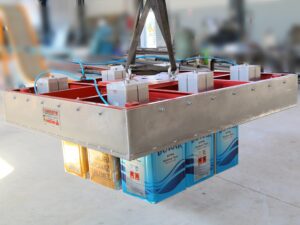
Conclusion
Palletising magnets are a cornerstone of modern industrial automation, offering unparalleled efficiency, safety, and versatility in handling ferromagnetic materials. Their ability to integrate seamlessly with robotic systems and PLC controls makes them an intelligent investment for businesses looking to optimize their production lines, reduce operational costs, and maintain a competitive edge. As industries continue to seek higher levels of automation and precision, the role of advanced palletising magnet technology will only continue to expand, driving innovation in material handling solutions.
Users also asked these questions
Industrial Palletising Magnets (Magnetic Sweeper Heads) are massive, wide-area magnetic End-of-Arm Tooling (EOAT) modules mounted on heavy industrial robots or gantry cranes. They use switchable permanent magnets or electromagnets to instantly pick up an entire layer (hundreds) of steel cans, tins, or jars at once, seamlessly transferring them onto or off a shipping pallet.
They are the backbone of high-speed End-of-Line (EOL) automation in the food and beverage industry (canneries, breweries), aerosol manufacturing, paint (tin container) production, and chemical packaging, where moving individual steel cans mechanically is too slow and inefficient.
We engineer these systems using advanced Electro-Permanent technology or Pneumatically-actuated permanent magnet sliding plates. When positioned over the pallet, a signal from the PLC neutralizes the magnetic field across the entire massive plate in less than a second, ensuring all 200+ cans drop perfectly straight and simultaneously without tipping.
Absolutely. Unlike mechanical grippers that must be completely retooled or swapped out for different can diameters, a Palletising Magnet is a universal flat surface. It can effortlessly pick up massive 5-liter paint tins on one shift, and instantly switch to picking up tiny 250ml aerosol cans on the next shift without any mechanical adjustments.
No. By utilizing Electro-Permanent technology or pneumatic sliding permanent magnets, there is no continuous electrical current running through coils during the lifting phase. This means zero heat generation (100% Duty Cycle), ensuring the magnetic lifting force remains at maximum strength 24/7.
They are inherently fail-safe. Because the lifting force is provided entirely by permanent Neodymium or Ferrite magnets, a factory power outage will not cause the cans to fall. The load remains securely locked to the robot until power is restored and the release signal is given.
Yes, we provide full B2B turnkey engineering. We manufacture the massive magnetic plates to match your exact pallet dimensions (e.g., standard Euro Pallet 1200x800mm or Industrial 1200x1000mm), ensuring the weight of the tooling perfectly matches your specific Kuka, ABB, or Fanuc robot's payload capacity.