

Magnetic Filters
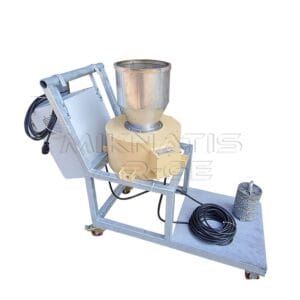
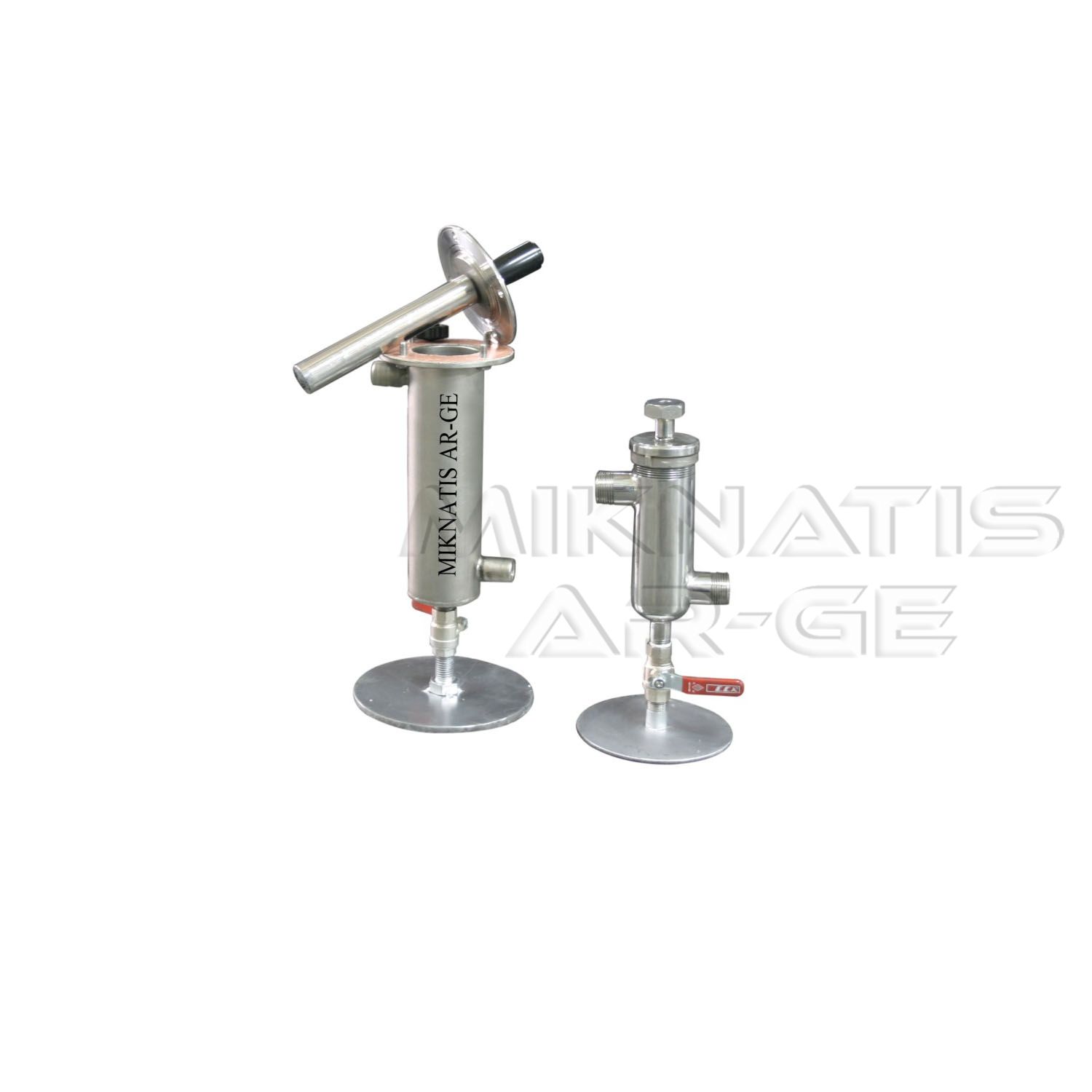
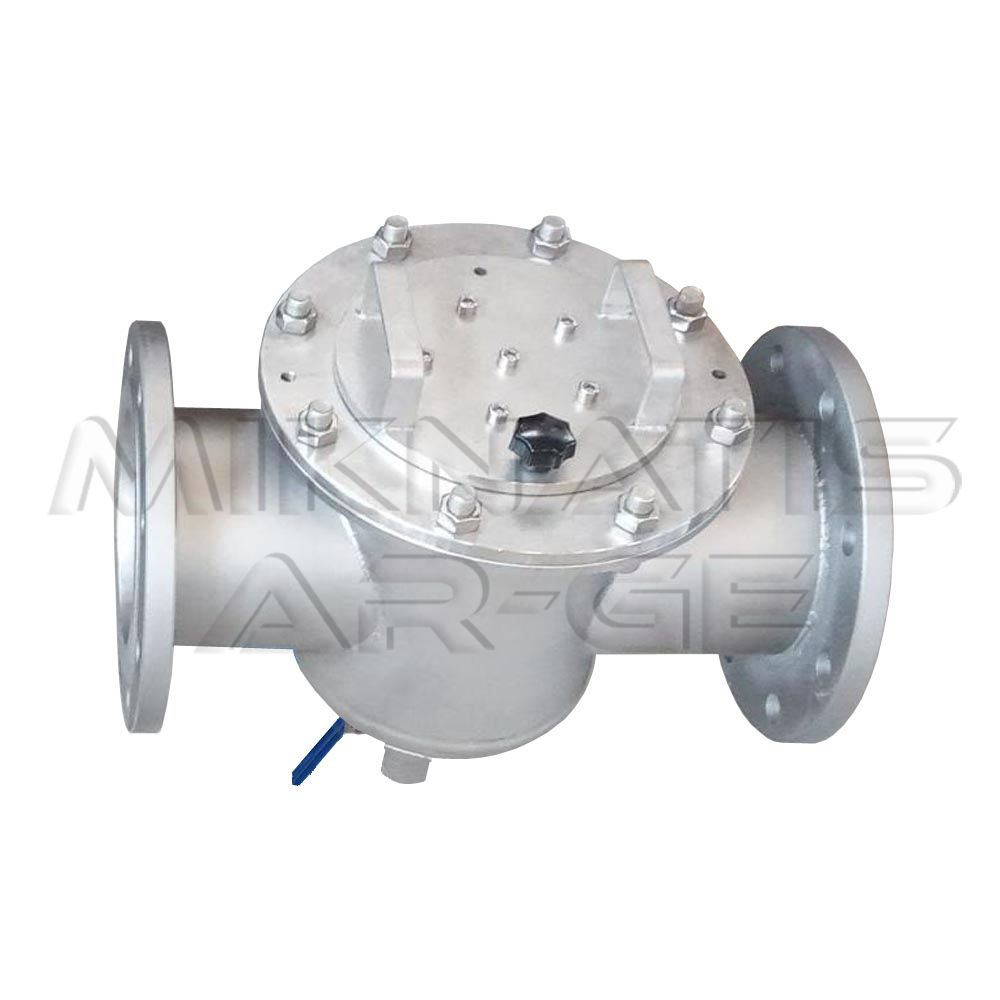
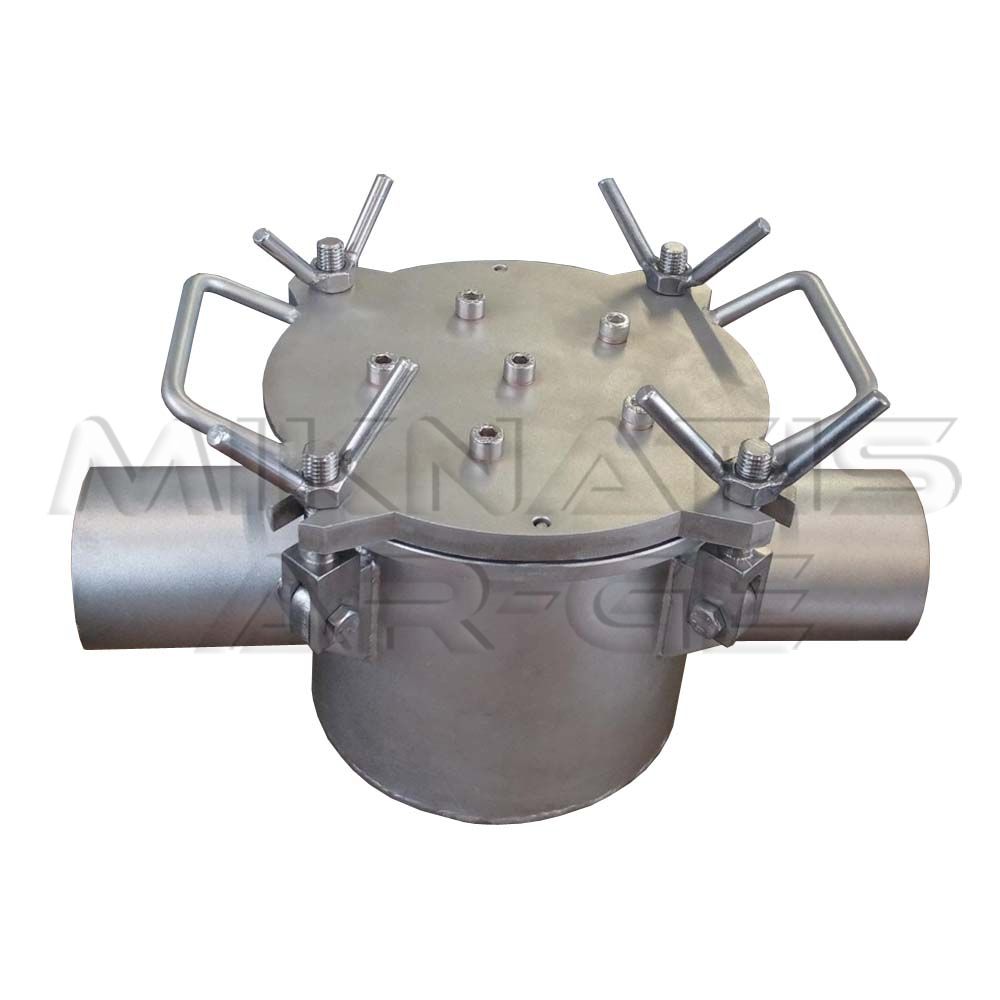
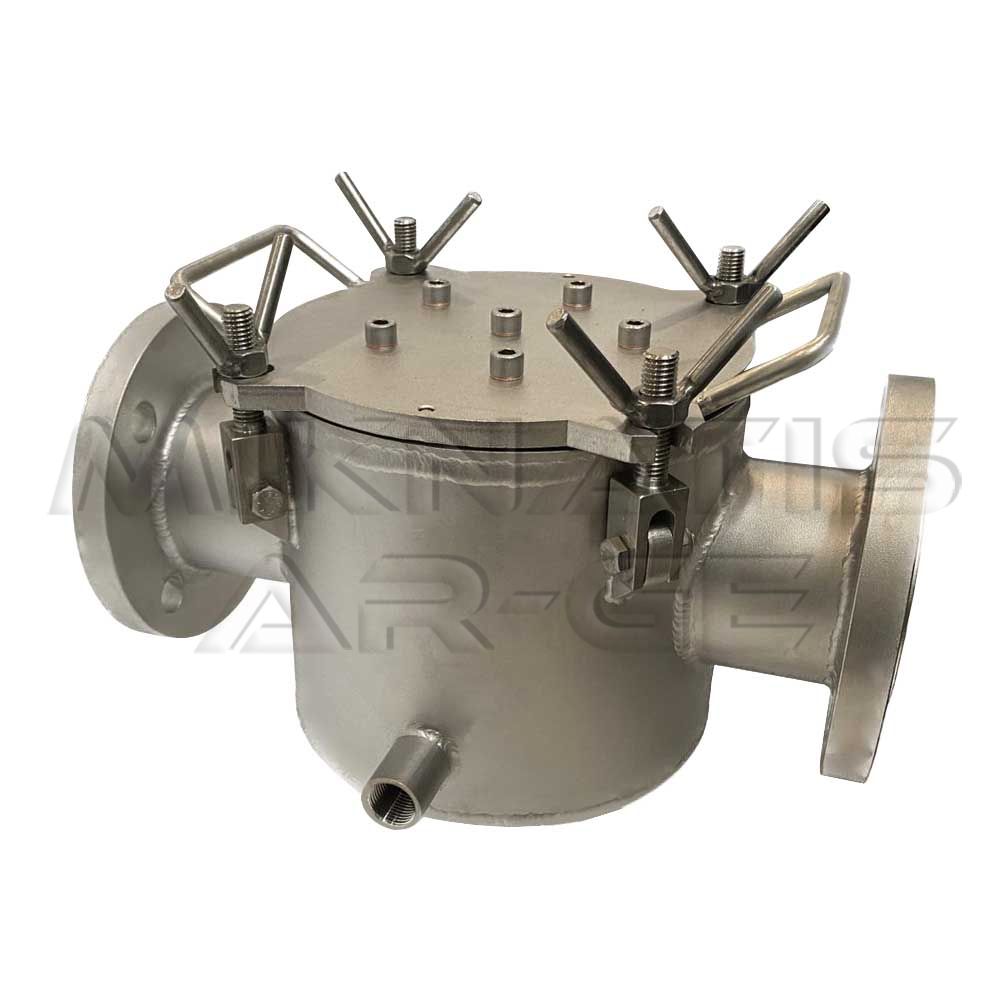
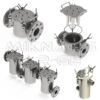
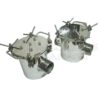
Magnetic filters are magnetic separation systems designed to capture iron-bearing and ferromagnetic particles from liquid and semi-liquid products. They help improve product purity, protect process equipment and reduce the risk of metal-related wear in production lines.
They can be used in products with different viscosities such as chemical slurry, paint, resin, oil, sugar syrup, jam, chocolate and similar liquid or semi-liquid materials. The appropriate model should be selected according to product viscosity, temperature, pressure, flow rate and contamination level.
What Is a Magnetic Filter and How Does It Work?
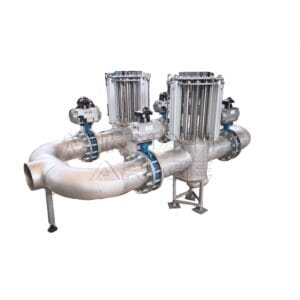
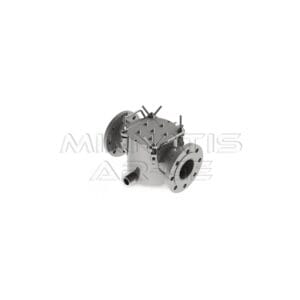
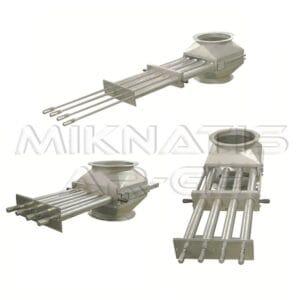
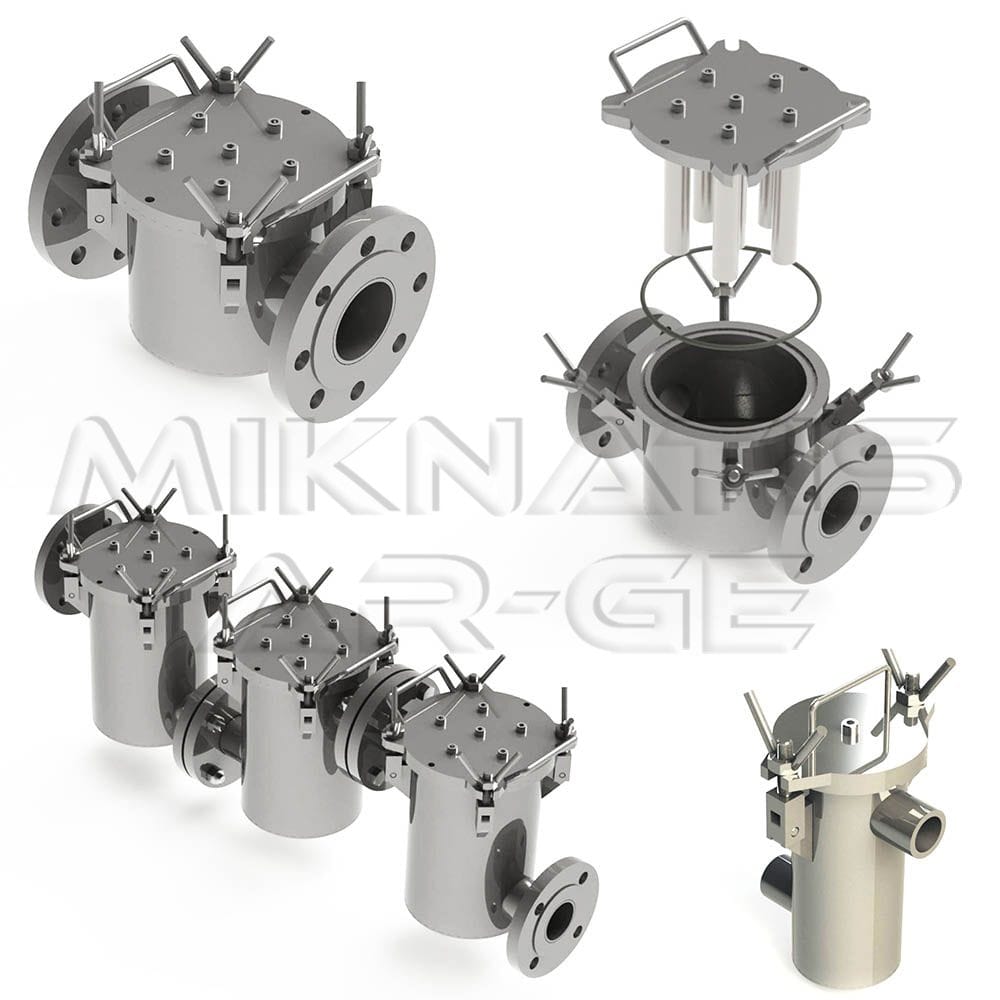
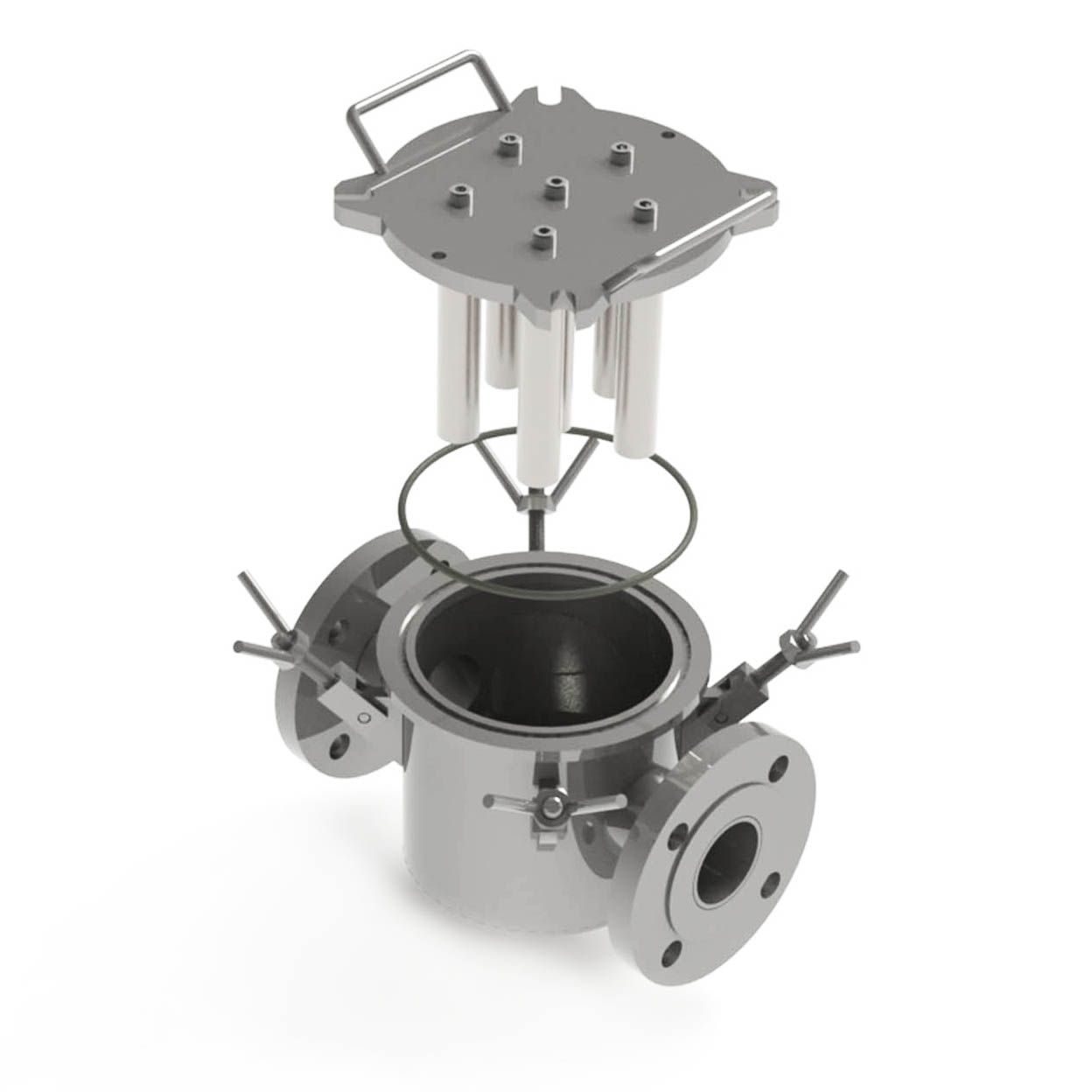
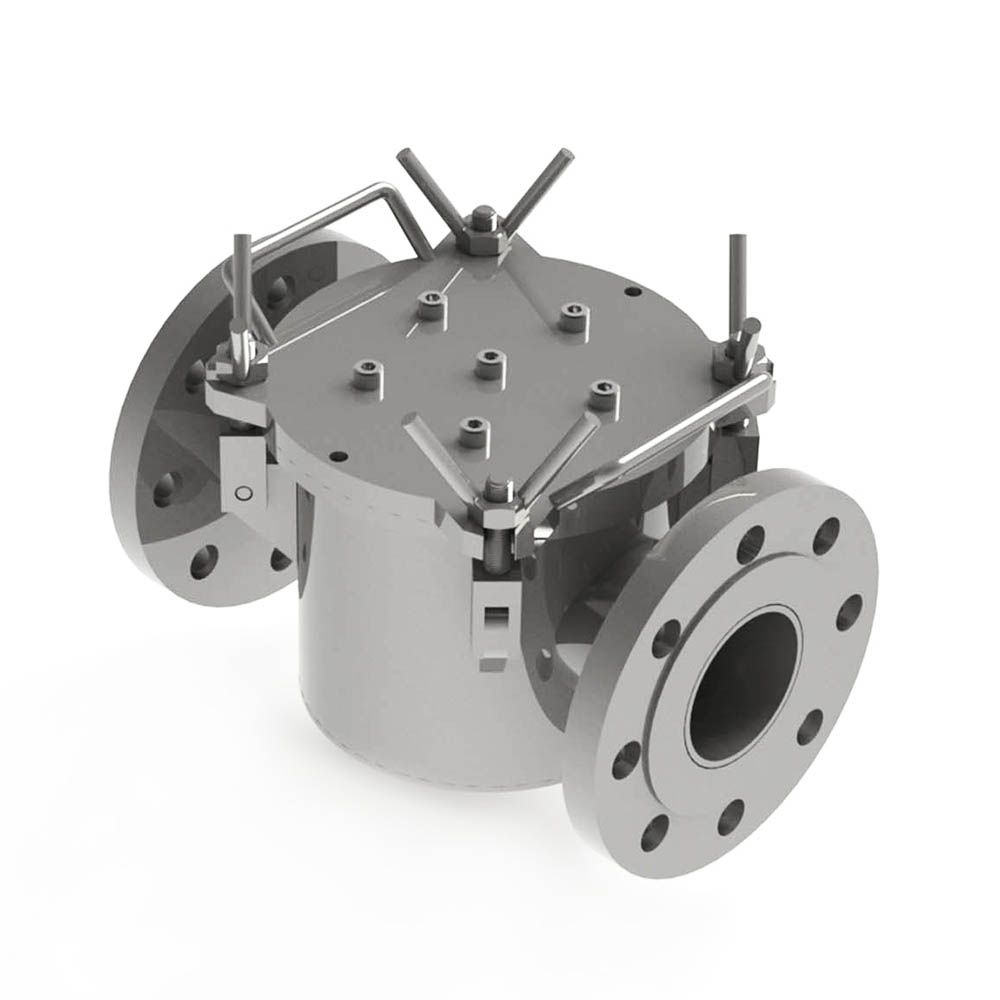
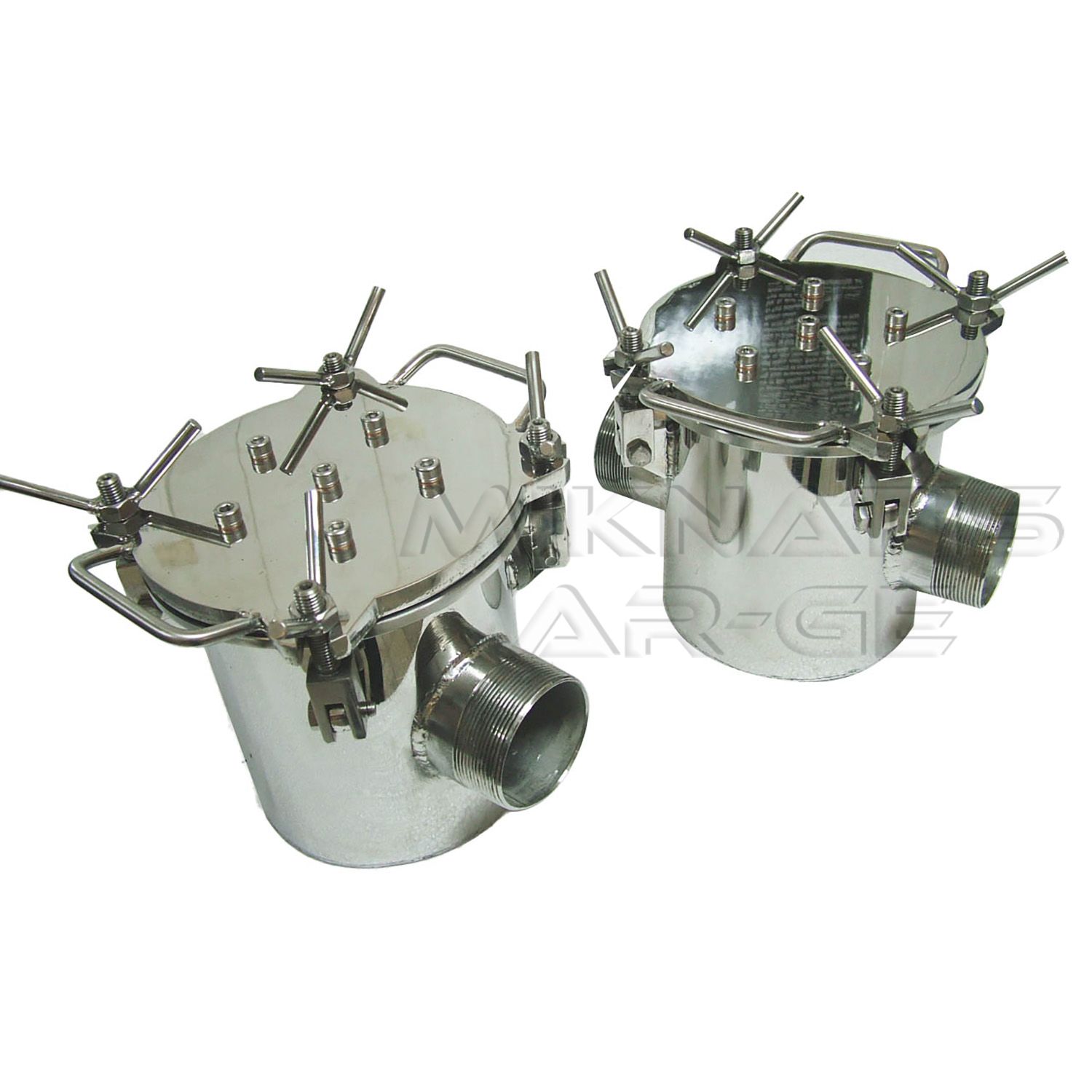
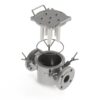
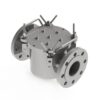
A magnetic filter is a special separation system used to keep the product clean and protect downstream production equipment from ferromagnetic contamination. The main structure of the filter includes removable magnetic rods fixed inside the housing.
As the liquid or semi-liquid product flows around the magnetic rods, iron, steel, rust, scale, wear particles and other ferromagnetic contaminants are attracted by the magnetic field and held on the rod surfaces. This helps reduce metal contamination in the product before it reaches the next process stage.
Separation performance may vary depending on the magnetic properties of the particles, product viscosity, flow rate, rod arrangement, magnetic field strength and cleaning frequency.
Magnet Options Used in Magnetic Filters
Magnetic rods used in magnetic filters can be manufactured with different magnet types depending on the application and required magnetic strength.
- Neodymium Magnets: Preferred in applications requiring high magnetic strength and compact design. They help capture fine ferromagnetic particles.
- Ferrite Magnets: A more economical alternative, generally preferred for capturing larger ferromagnetic particles or for applications requiring higher temperature resistance.
Magnet selection should be made according to the product characteristics, contamination level and operating conditions such as temperature and pressure.
Application Areas and Benefits of Magnetic Filters
Magnetic filters are used in a wide range of industrial applications to improve product purity and protect equipment.
Main Application Areas
- Food & Beverage Industry: Can be manufactured with stainless steel body and easy-to-clean design options suitable for process requirements in hygiene-sensitive applications.
- Chemical Industry: Used to reduce ferromagnetic contamination in paint, chemical slurry, resin, adhesive and other chemical fluids.
- Cosmetics and Similar Hygienic Applications: Can be designed with stainless steel body and hygienic construction options according to process requirements.
- Plastic and Ceramic Industries: Helps separate metal particles from raw materials and semi-finished products, supporting product quality and equipment protection.
- Recycling Applications: Used for separating ferrous metals from liquid waste streams and slurries.
Key Benefits
- Product Purity: Helps reduce metallic contamination in the final product.
- Equipment Protection: Helps protect pumps, mixers, nozzles and other sensitive equipment from wear and damage.
- Operational Efficiency: Supports production continuity by reducing metal-related failures and unplanned downtime.
- Process Compatibility: Can be manufactured with stainless steel or carbon steel body options depending on the application.
- Easy Maintenance: Manual or automatic cleaning options can be selected according to the process requirements.
Cleaning and Maintenance
In manual cleaning models, the production line is stopped before cleaning. After the necessary safety precautions are taken, the cover is opened and the collected metal particles on the magnetic rods are removed manually using suitable gloves, cloth or a plastic scraper.
Hard, sharp or abrasive tools that may damage the stainless steel surface, seals or magnetic rods should not be used. Cleaning frequency should be determined according to the amount of metal contamination, product viscosity, flow rate and operating time.
Regular cleaning helps maintain magnetic separation performance and supports healthy product flow through the filter.
Technical Advantages
Our magnetic filters use high-strength magnetic rods, especially in standard diameters such as Ø25 mm, Ø27 mm and Ø32 mm. In standard neodymium magnetic rods, the magnetic field measured on the stainless steel tube surface can reach approximately 10,000–11,000 Gauss depending on the model.
The exact magnetic field value may vary depending on rod diameter, magnet grade, tube thickness, temperature and measurement point. Magnetic field values are measured using TÜBİTAK UME calibrated gaussmeters.
Magnetic filters can be manufactured in custom dimensions and designed for higher pressure or temperature requirements according to customer needs. Please contact us for special applications.
Conclusion
Magnetic filters are practical and effective magnetic separation systems used to reduce ferromagnetic contamination in liquid and semi-liquid products. With the right model selection and regular cleaning, they help protect product quality, support safe operation of process equipment and reduce maintenance risks.
Users also asked these questions
Industrial Inline Magnetic Filters (Liquid Trap Magnets) are heavy-duty, pressure-rated vessels housing ultra-high-strength Neodymium magnetic rod arrays. They are installed directly into pressurized pipelines to continuously capture microscopic iron dust, rust scale, and machinery wear particles from flowing liquids and chemical slurries.
They are absolutely critical in preventing catastrophic pump/nozzle blockages and ensuring product purity in liquid chocolate and dairy processing, automotive paint circulation systems, ceramic glaze lines, chemical resin manufacturing, and paper pulp coating processes.
Liquid streams generate massive shear forces that strip metal off weak magnets. Our filters utilize extreme Rare-Earth Neodymium (NdFeB) arrays, projecting 10,000 to 12,000+ Gauss at the tube surface. This extreme gradient permanently locks down sub-micron (nano-scale) iron oxides and fine 316 stainless-steel shavings.
Absolutely. The heavy-duty pressure vessel and flanged manifolds are precision-welded from highly corrosion-resistant AISI 316L (or special Duplex) stainless steel. They are rigorously hydrostatic-tested to safely operate under extreme industrial pressures (e.g., 10 bar, 15 bar, or 20 bar) while handling harsh CIP (Clean-In-Place) acids.
Yes. For the food and pharmaceutical sectors, the entire internal housing and rod assemblies are mirror-polished (Ra < 0.6 µm) to eliminate any microscopic pits where bacteria could breed. The units are sealed with FDA-approved EPDM or Viton O-rings and feature sanitary Tri-Clamp connections for rapid dismantling.
When the line is paused, the operator removes the quick-release lid and lifts out the entire magnetic rod assembly. The metal sludge is then manually washed or wiped off. (For drastically faster cleaning, we highly recommend our "Easy-Clean" models with slide-out magnetic cores).
Yes, we provide full B2B engineering. We design the vessel volume, internal rod spacing, and flange sizes (DIN, ANSI, JIS) to perfectly match your specific volumetric throughput (L/min) and fluid viscosity (cSt), ensuring maximum metal capture with zero unacceptable pressure drops.
Technical Specifications
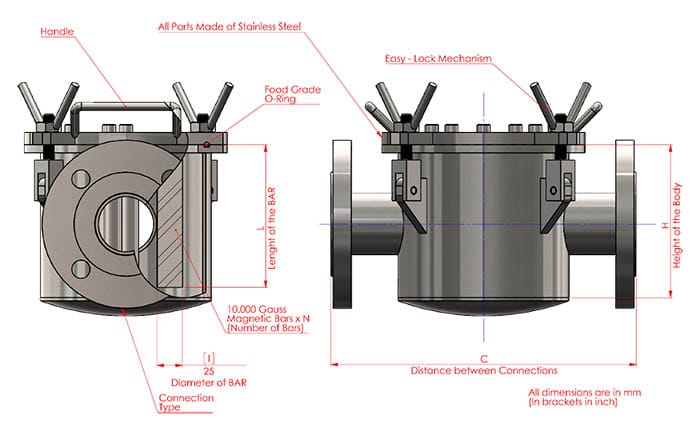
| Model | Connection Type | “N” Number of Bars | “L” Bar Length mm – inch | “C” Distance Between Connections mm – inch | “H” Body Height mm – inch | Bar Diameter mm |
|---|---|---|---|---|---|---|
| P.FLT.MC.F304.N.D25L90.4.DN25.F.304.10 | DN25 – 1″ | 4xØ25mm – 1″ | 90mm – 3.5″ | 250mm – 10″ | 100mm – 4″ | 25 |
| P.FLT.MC.F304.N.D25L90.6.DN40.F.304.10 | DN40 – 1½” | 6xØ25mm – 1″ | 90mm – 3.5″ | 300mm – 12″ | 100mm – 4″ | 25 |
| P.FLT.MC.F304.N.D25L140.6.DN50.F.304.10 | DN50 – 2″ | 6xØ25mm – 1″ | 140mm – 5.5″ | 300mm – 12″ | 150mm – 6″ | 25 |
| P.FLT.MC.F304.N.D25L140.6.DN65.F.304.10 | DN65 – 2½” | 6xØ25mm – 1″ | 140mm – 5.5″ | 300mm – 12″ | 150mm – 6″ | 25 |
| P.FLT.MC.F304.N.D25L190.6.DN40.F.304.10 | DN40 – 1½” | 6xØ25mm – 1″ | 190mm – 7.5″ | 300mm – 12″ | 200mm – 8″ | 25 |
| P.FLT.MC.F304.N.D25L190.6.DN50.F.304.10 | DN50 – 2″ | 6xØ25mm – 1″ | 190mm – 7.5″ | 300mm – 12″ | 200mm – 8″ | 25 |
| P.FLT.MC.F304.N.D25L190.6.DN100.F.304.10 | DN100 – 4″ | 6xØ25mm – 1″ | 190mm – 7.5″ | 350mm – 14″ | 200mm – 8″ | 25 |
| P.FLT.MC.F304.N.D25L240.6.DN65.F.304.10 | DN65 – 2½” | 6xØ25mm – 1″ | 240mm – 9.5″ | 300mm – 12″ | 250mm – 10″ | 25 |
| P.FLT.MC.F304.N.D25L240.6.DN80.F.304.10 | DN80 – 3″ | 6xØ25mm – 1″ | 240mm – 9.5″ | 350mm – 14″ | 250mm – 10″ | 25 |
| P.FLT.MC.F304.N.D25L240.6.DN100.F.304.10 | DN100 – 4″ | 6xØ25mm – 1″ | 240mm – 9.5″ | 350mm – 14″ | 250mm – 10″ | 25 |
Users also asked these questions
Industrial Inline Magnetic Filters (Liquid Trap Magnets) are heavy-duty, pressure-rated vessels housing ultra-high-strength Neodymium magnetic rod arrays. They are installed directly into pressurized pipelines to continuously capture microscopic iron dust, rust scale, and machinery wear particles from flowing liquids and chemical slurries.
They are absolutely critical in preventing catastrophic pump/nozzle blockages and ensuring product purity in liquid chocolate and dairy processing, automotive paint circulation systems, ceramic glaze lines, chemical resin manufacturing, and paper pulp coating processes.
Liquid streams generate massive shear forces that strip metal off weak magnets. Our filters utilize extreme Rare-Earth Neodymium (NdFeB) arrays, projecting 10,000 to 12,000+ Gauss at the tube surface. This extreme gradient permanently locks down sub-micron (nano-scale) iron oxides and fine 316 stainless-steel shavings.
Absolutely. The heavy-duty pressure vessel and flanged manifolds are precision-welded from highly corrosion-resistant AISI 316L (or special Duplex) stainless steel. They are rigorously hydrostatic-tested to safely operate under extreme industrial pressures (e.g., 10 bar, 15 bar, or 20 bar) while handling harsh CIP (Clean-In-Place) acids.
Yes. For the food and pharmaceutical sectors, the entire internal housing and rod assemblies are mirror-polished (Ra < 0.6 µm) to eliminate any microscopic pits where bacteria could breed. The units are sealed with FDA-approved EPDM or Viton O-rings and feature sanitary Tri-Clamp connections for rapid dismantling.
When the line is paused, the operator removes the quick-release lid and lifts out the entire magnetic rod assembly. The metal sludge is then manually washed or wiped off. (For drastically faster cleaning, we highly recommend our "Easy-Clean" models with slide-out magnetic cores).
Yes, we provide full B2B engineering. We design the vessel volume, internal rod spacing, and flange sizes (DIN, ANSI, JIS) to perfectly match your specific volumetric throughput (L/min) and fluid viscosity (cSt), ensuring maximum metal capture with zero unacceptable pressure drops.