

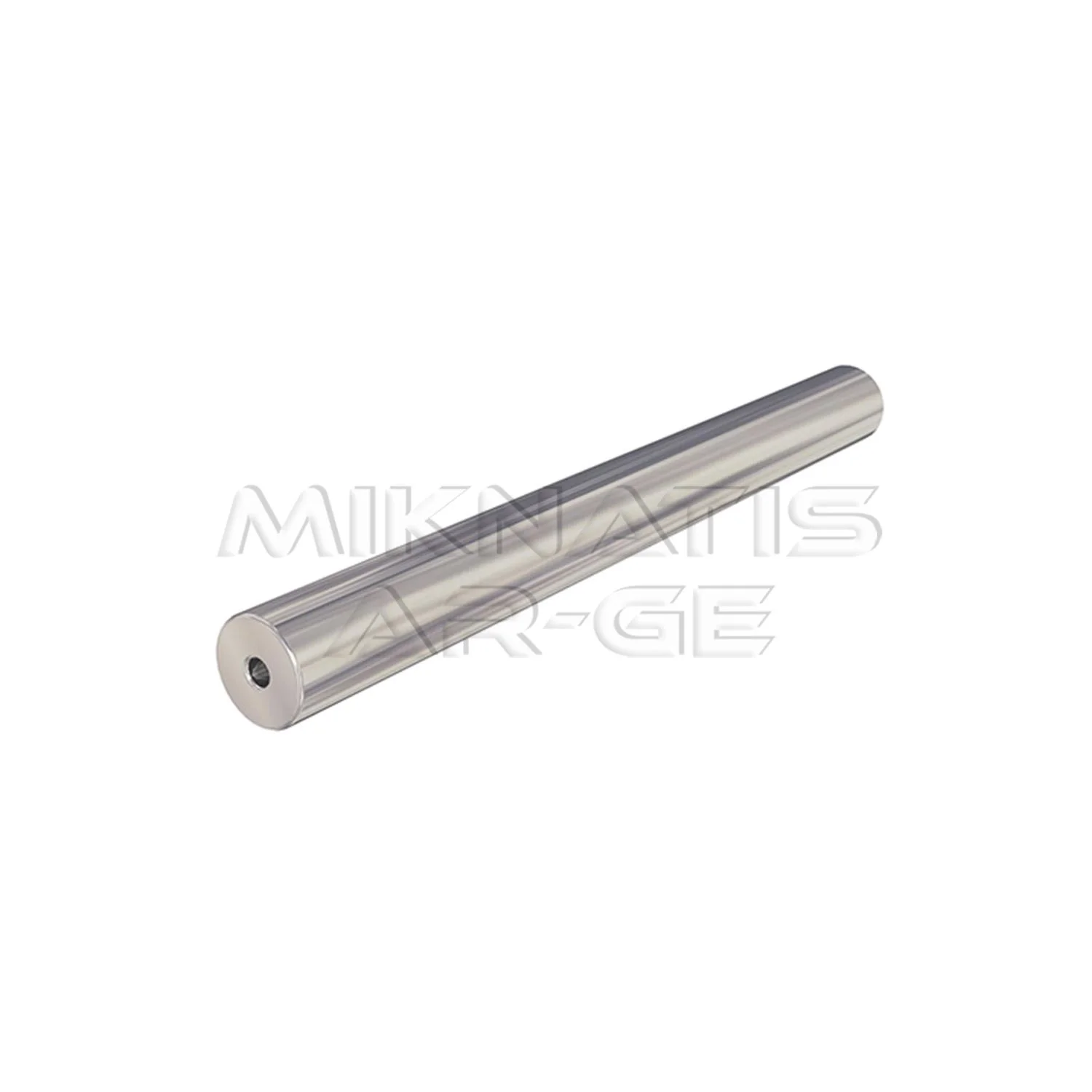
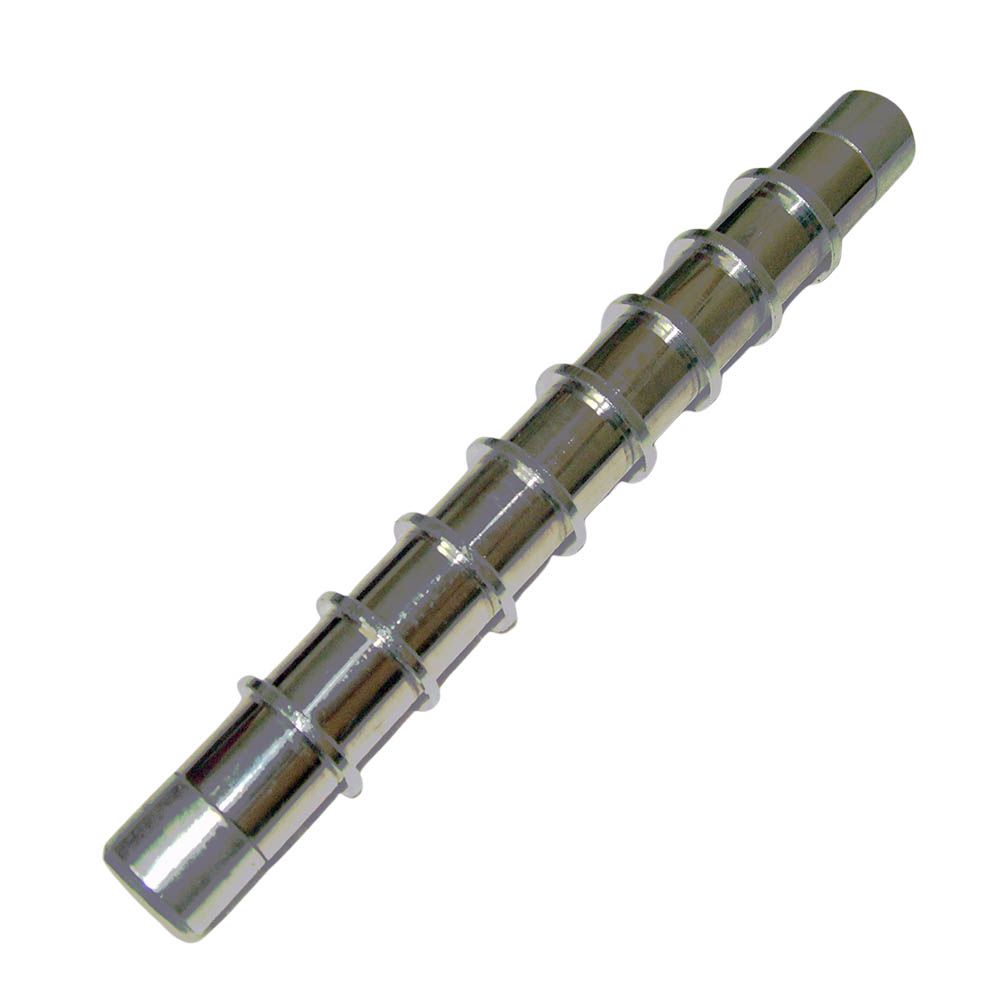
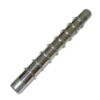
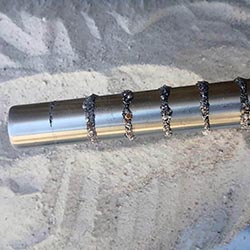
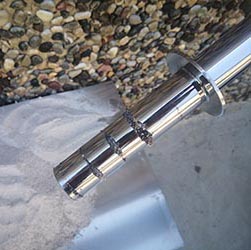
Magnetic Rods are indispensable tools designed to safeguard product integrity and protect valuable processing equipment from the detrimental effects of ferrous contamination. These powerful magnetic separators efficiently extract unwanted metallic particles, ensuring the purity of materials and preventing costly damage to machinery in downstream operations. By effectively removing ferrous debris, they ensure product purity and protect equipment which might be damaged in downstream processes, preventing high repair costs.
Understanding Magnetic Rods: Principles and Design
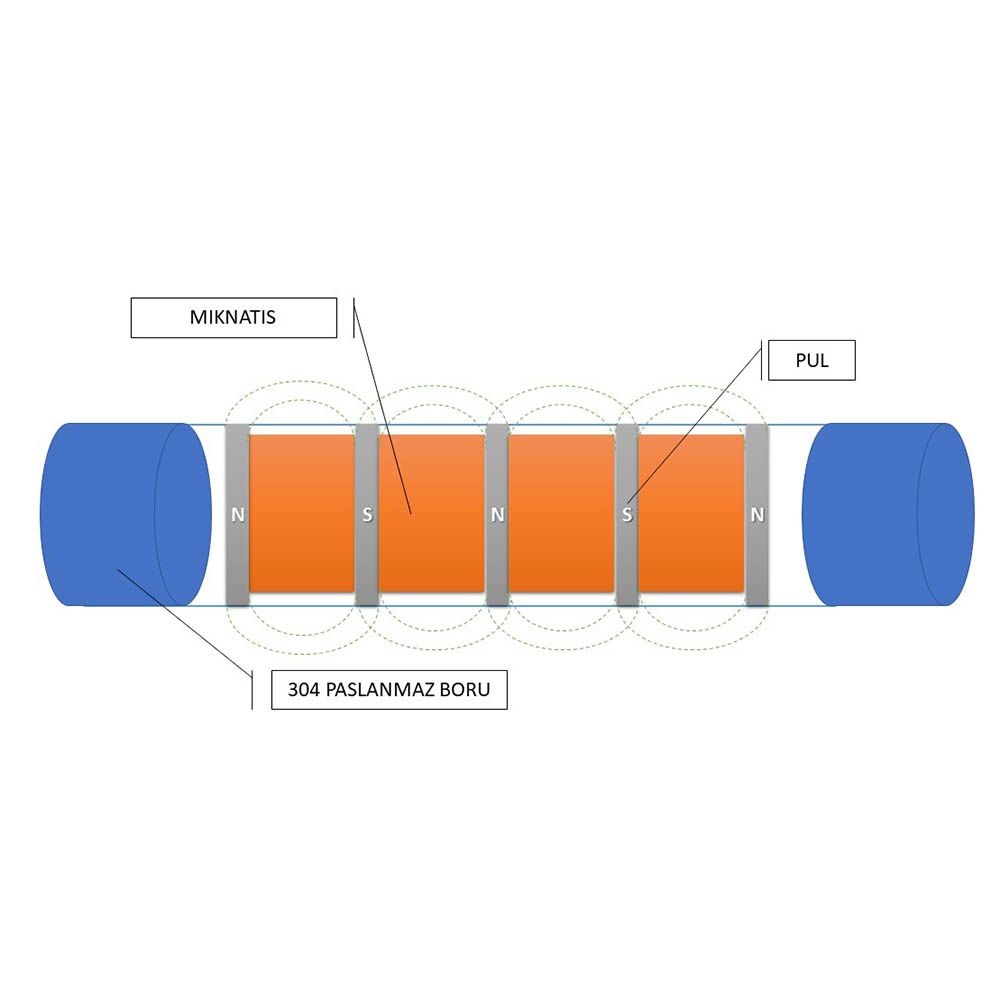
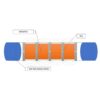
At their core, Magnetic Rods harness the power of strong magnetic fields to attract and hold ferrous debris. They are typically constructed with an array of high-strength magnets encased within a sealed, non-magnetic sheath, most commonly stainless steel. The choice of magnet material is crucial, with Neodymium (NdFeB) rare earth magnets being widely preferred for their exceptional strength-to-size ratio and ability to capture even the finest ferromagnetic particles. These offer superior performance in applications requiring high magnetic intensity. Alternatively, ceramic (ferrite) magnets are used in less demanding environments or where higher temperature resistance is critical, offering a more cost-effective solution.
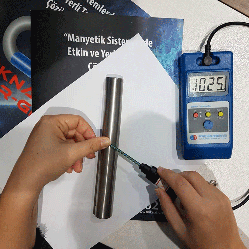
These rods are strong and effective at attracting even the smallest particles of ferrous material. The design of the rod focuses on maximizing the surface gauss strength, creating an effective capture zone for tramp metal. Each magnetic rod is meticulously engineered, typically featuring a robust 304 or 316 stainless steel casing. This non-magnetic enclosure ensures durability, corrosion resistance, and often a smooth, hygienic surface, especially vital in food-grade applications. The internal arrangement of magnetic elements is precisely configured to generate a potent and uniform magnetic field along the rod’s length, optimizing the collection of ferrous contaminants. Different diameters and lengths are available to suit various flow rates and material types, ensuring efficient separation regardless of the processing environment.
Installation and Maintenance for Optimal Performance
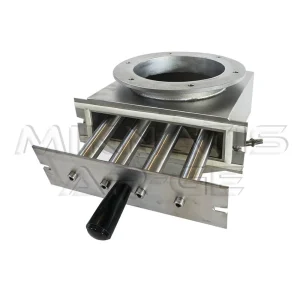
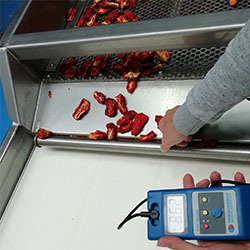
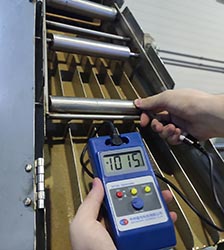
Their versatility allows for straightforward integration into almost any existing processing line. Magnetic rods can be strategically placed in hoppers, chutes, pipelines, or above conveyor belts where materials flow. They are easy to install on existing machine or line and provide a simple yet effective solution to product contamination. To maintain optimal performance and magnetic efficacy, periodic cleaning of the rods is essential. Accumulated ferrous debris can reduce the effective magnetic field, diminishing their ability to capture new contaminants. Bars should be cleaned periodically to ensure optimum performance, as regular manual cleaning involves simply removing the rods and wiping them clean, while some advanced systems offer self-cleaning mechanisms for continuous operation.
Key Applications Across Industries
Magnetic Rods offer a simple yet highly effective solution to product contamination across a diverse range of industries:
- In the Agriculture and Livestock Sector, they are crucial for purifying free-flowing granular and powdered substances such as tea, sugar, wheat, corn, and barley, safeguarding both product quality and animal feed safety by removing metal fragments from harvesting or processing.
- Within the Rubber and Plastic Industry, these rods are essential for removing ferrous impurities from plastic granules and resins, protecting sensitive molding and extrusion equipment from damage and ensuring the integrity of final plastic products.
- In the Chemical Industry, they play a vital role in ensuring the purity of powdered chemicals, preventing metal contamination that could compromise chemical reactions or the quality of the end product.
- For the Ceramic and Glass Industry, magnetic rods are employed to extract metal particles from raw materials like glass fiber, silica, and other mineral components, preventing defects in the final ceramic and glass products and protecting grinding equipment.
- In the Mining Industry, they are indispensable for upgrading minerals such as talc powder (magnesium silicate), silica sand, quartz powder, sodium feldspar, and refractory sand by separating ferrous impurities, thereby increasing the purity and value of the extracted materials.
- They are also widely used in various companies, including Food and Metal and Steel Processing, to extract ferrous contaminants from liquids, slurries, and viscous materials, ensuring product safety and preventing machinery damage.
- Furthermore, in many sectors, they are effectively used in the separation of iron waste from materials carried in pipe systems, enhancing system efficiency and preventing blockages or wear.
Hygienic Solutions for Sensitive Environments
For industries with stringent hygiene requirements, particularly the food processing sector, we offer specialized Food Grade Magnetic Rods. These models are meticulously designed and manufactured from high-grade stainless steel (often 316L for enhanced corrosion resistance) with ultra-smooth, polished surfaces that prevent the adhesion and proliferation of microbiological wastes. We have Food Grade models that are specially designed and produced in a way that do not allow microbiological wastes to reside on, which are made of stainless steel in accordance with the standards specific to the food industry. Adhering to the highest industry standards, these products are specifically engineered in accordance with the strict guidelines of the EHEDG (European Hygienic Engineering and Design Group). This compliance ensures that our food-grade magnetic rods meet rigorous criteria for cleanability, material compatibility, and hygienic design, critical for preventing cross-contamination and maintaining food safety certifications.
Whether for product purity, equipment protection, or regulatory compliance, Magnetic Rods offer a robust and adaptable solution. Their technical simplicity combined with powerful magnetic separation capabilities makes them a cornerstone of contamination control in modern industrial processes.
Special design and production services are offered for demanding applications where standard shapes and sizes will not work. Please contact us.

Users also asked these questions
Industrial Magnetic Rods are the fundamental building blocks of all high-performance dry and liquid magnetic filtration systems. Consisting of extreme-strength Rare-Earth Neodymium magnets packed inside a seamless stainless-steel tube, they are placed directly into product flows to capture microscopic iron dust and machine wear particles.
They are heavily utilized by OEMs building bespoke machinery for the food, pharmaceutical, plastic masterbatch, and chemical industries. Factory maintenance teams also use them to build custom filtration grids for irregular hoppers or to retrofit existing pipelines.
Built for extreme B2B requirements, our rods utilize the highest grades of Rare-Earth Neodymium (NdFeB). They generate massive surface gradients ranging from 10,000 Gauss up to a staggering 14,000 Gauss. This extreme power easily snatches nano-scale iron oxides and work-hardened 316 stainless-steel dust out of fast-moving powders or viscous liquids.
Absolutely. For sanitary applications, the Neodymium magnets are hermetically sealed inside thick-walled (e.g., 1mm to 2mm) AISI 316L stainless steel. The ends are fully TIG-welded (no threaded caps that harbor bacteria) and the entire tube is mirror-polished to a sanitary finish, ensuring compliance with FDA, HACCP, and BRC audits.
Standard Neodymium degrades at 80°C. However, for extreme B2B environments, we engineer High-Temperature Magnetic Rods using specialized high-coercivity Neodymium or Samarium Cobalt (SmCo) magnets. These specialized rods maintain their extreme 10,000+ Gauss strength continuously in hot liquids or ovens up to 150°C, 200°C, or even 250°C.
We provide versatile B2B mounting options. The ends of the stainless-steel rods can be manufactured with standard metric tapped holes (e.g., M6, M8 female threads), threaded studs (male), or left as plain, smooth ends for drop-in applications, allowing OEMs to easily bolt them into custom grates.
Yes, we are a direct B2B manufacturer. We can produce Magnetic Rods in any custom length (e.g., from 100mm up to 2000mm) and standard diameters (e.g., 22mm, 25.4mm, 32mm). We offer bulk wholesale pricing and rapid production for OEMs, machinery builders, and corporate procurement.