

Magnetic Humps
Shopping Cart
No products in the cart.
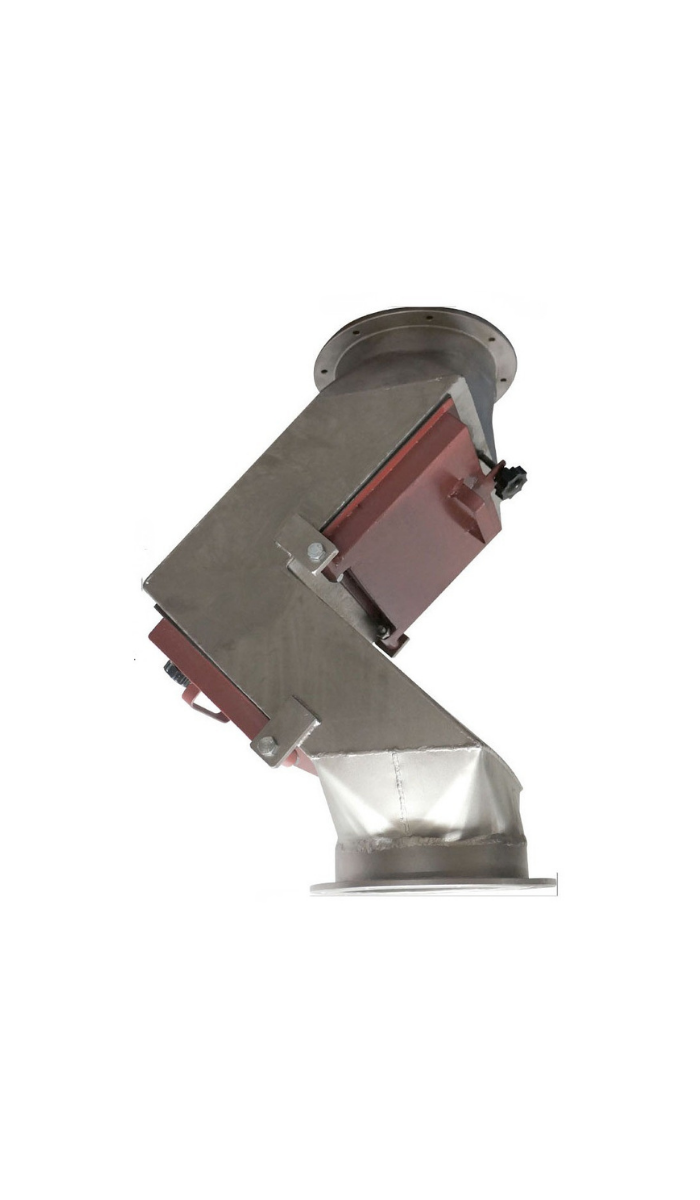
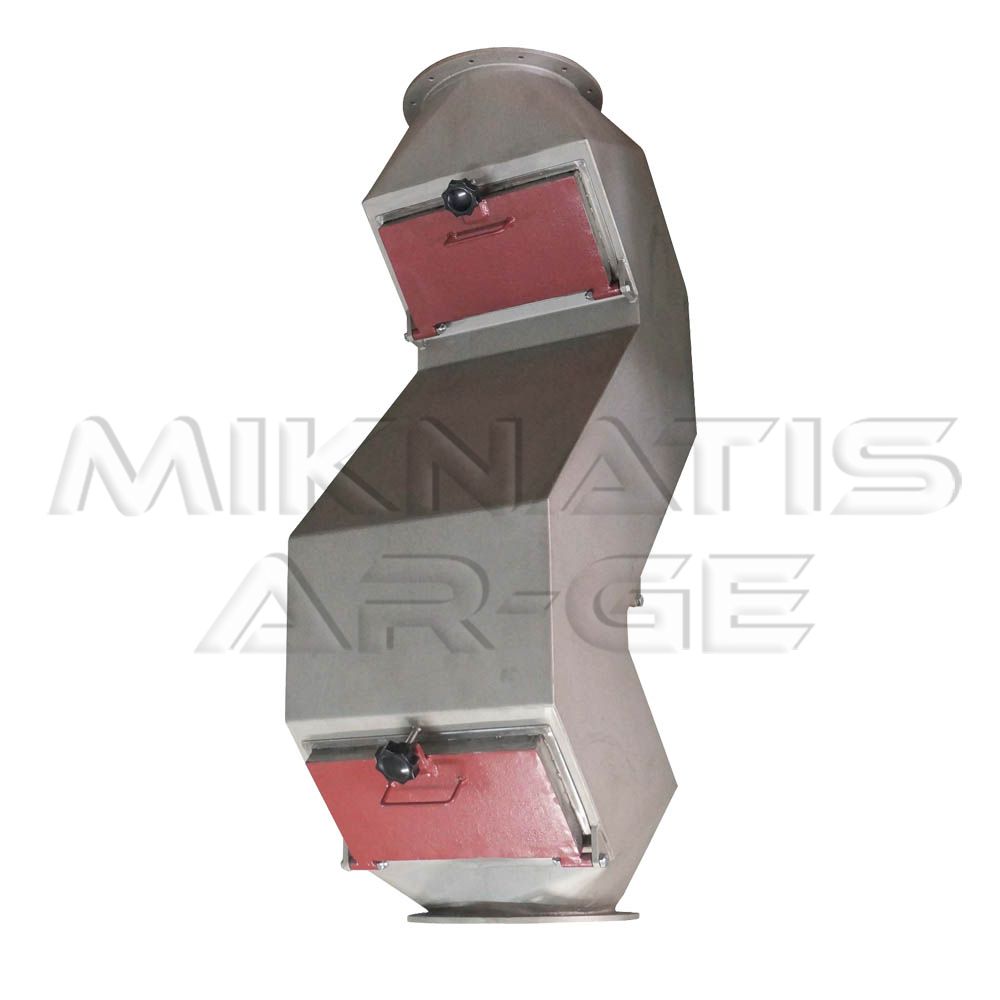
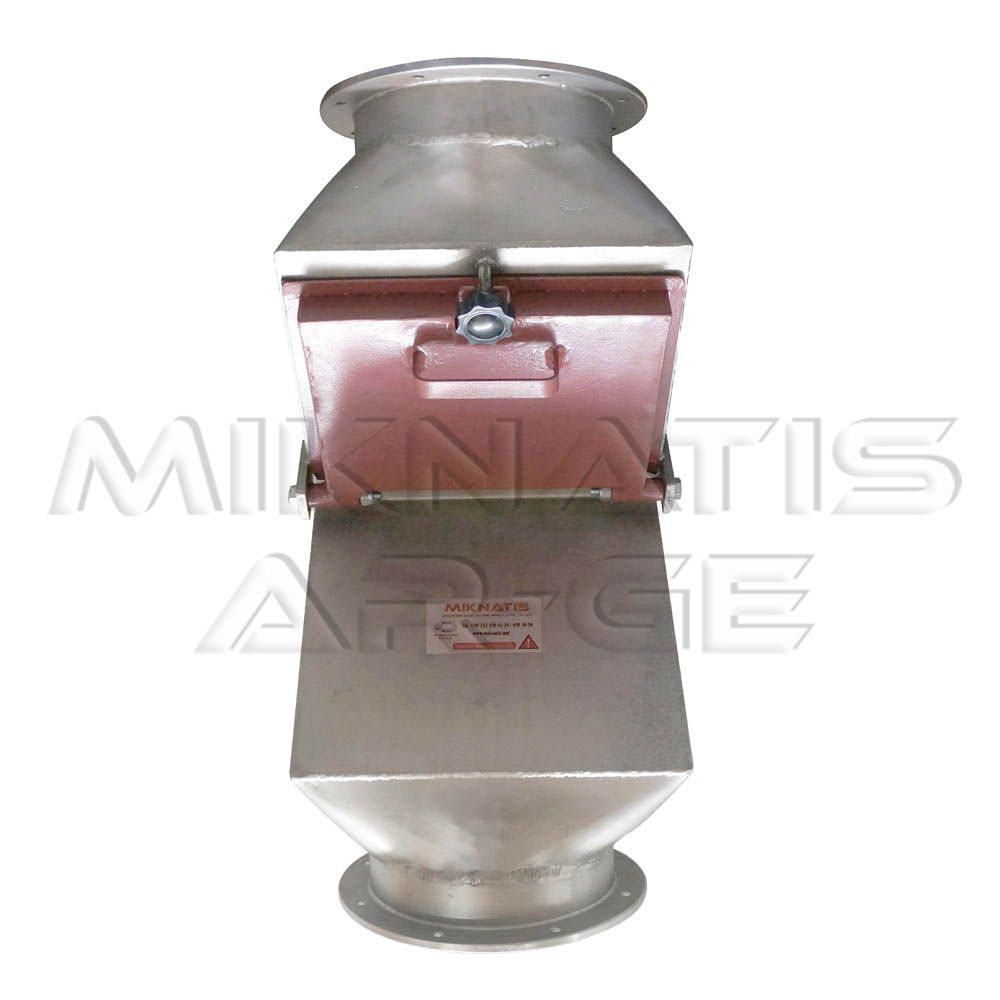
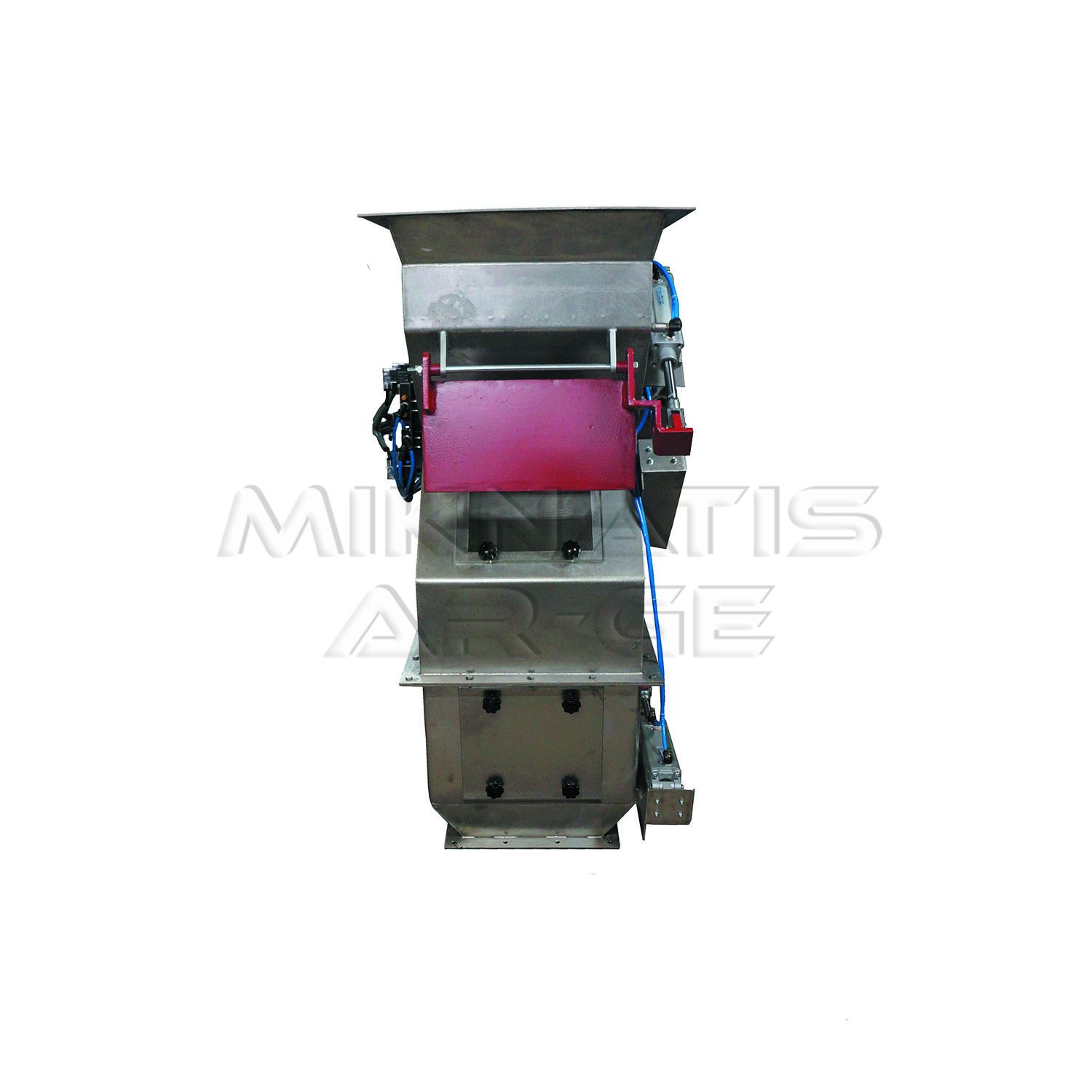
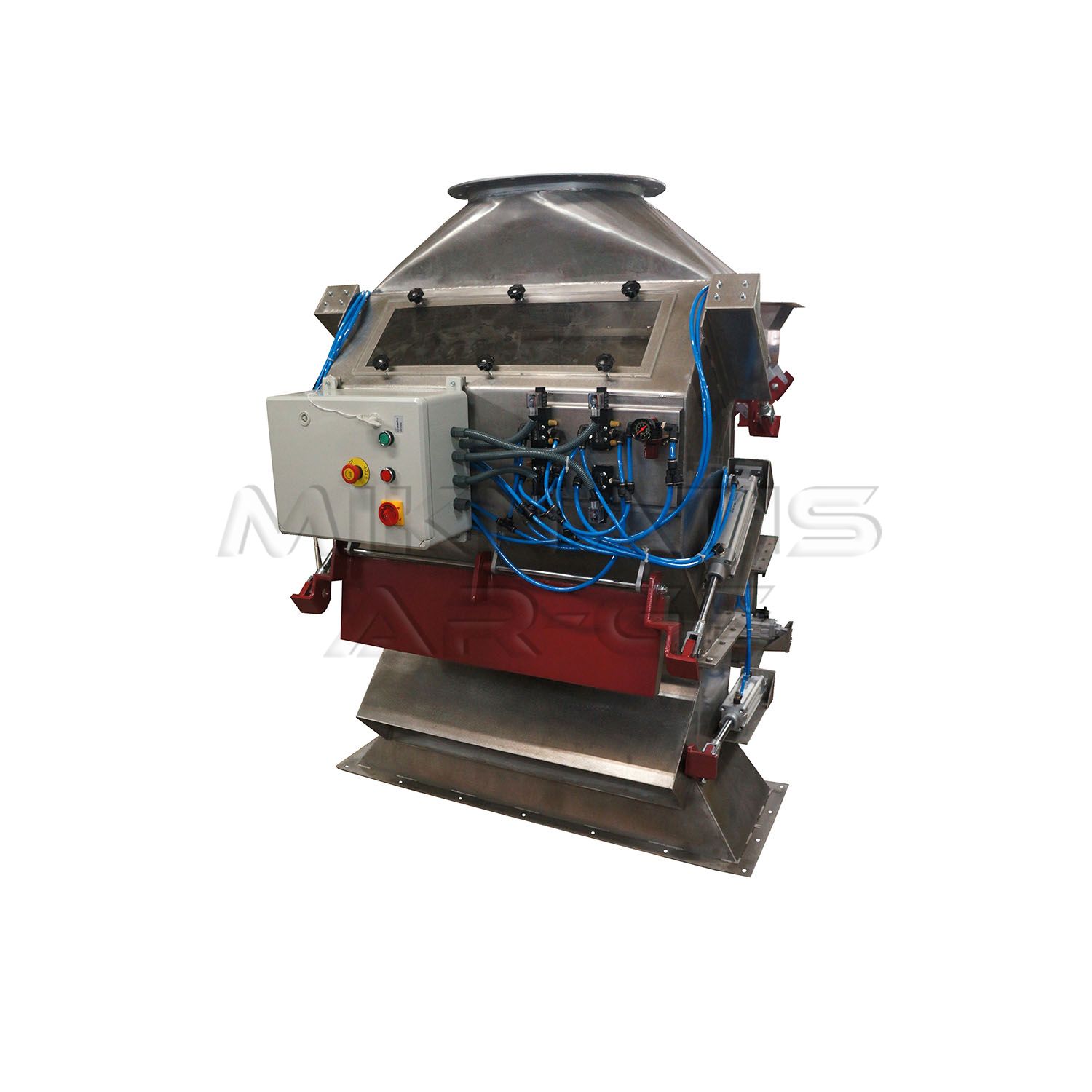
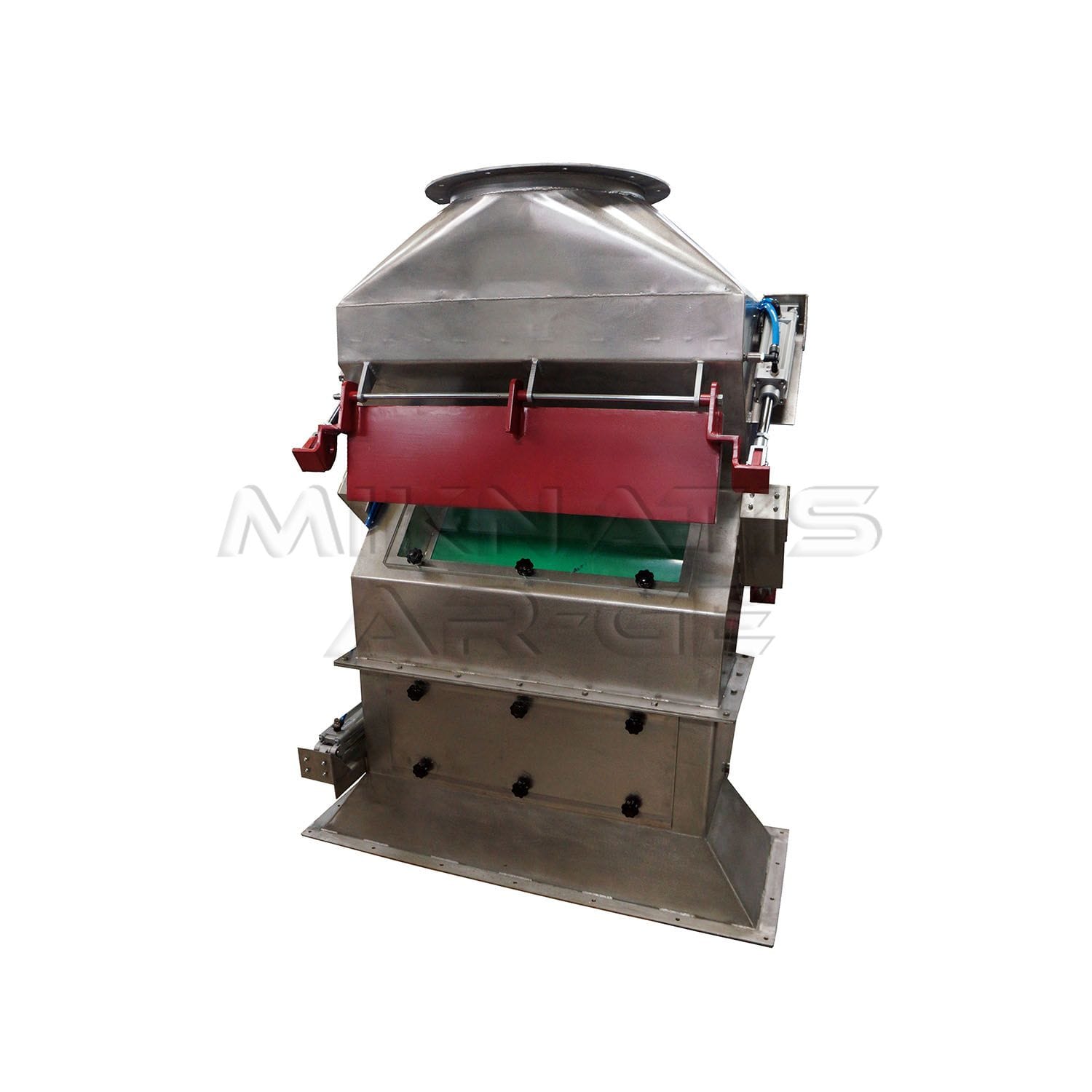
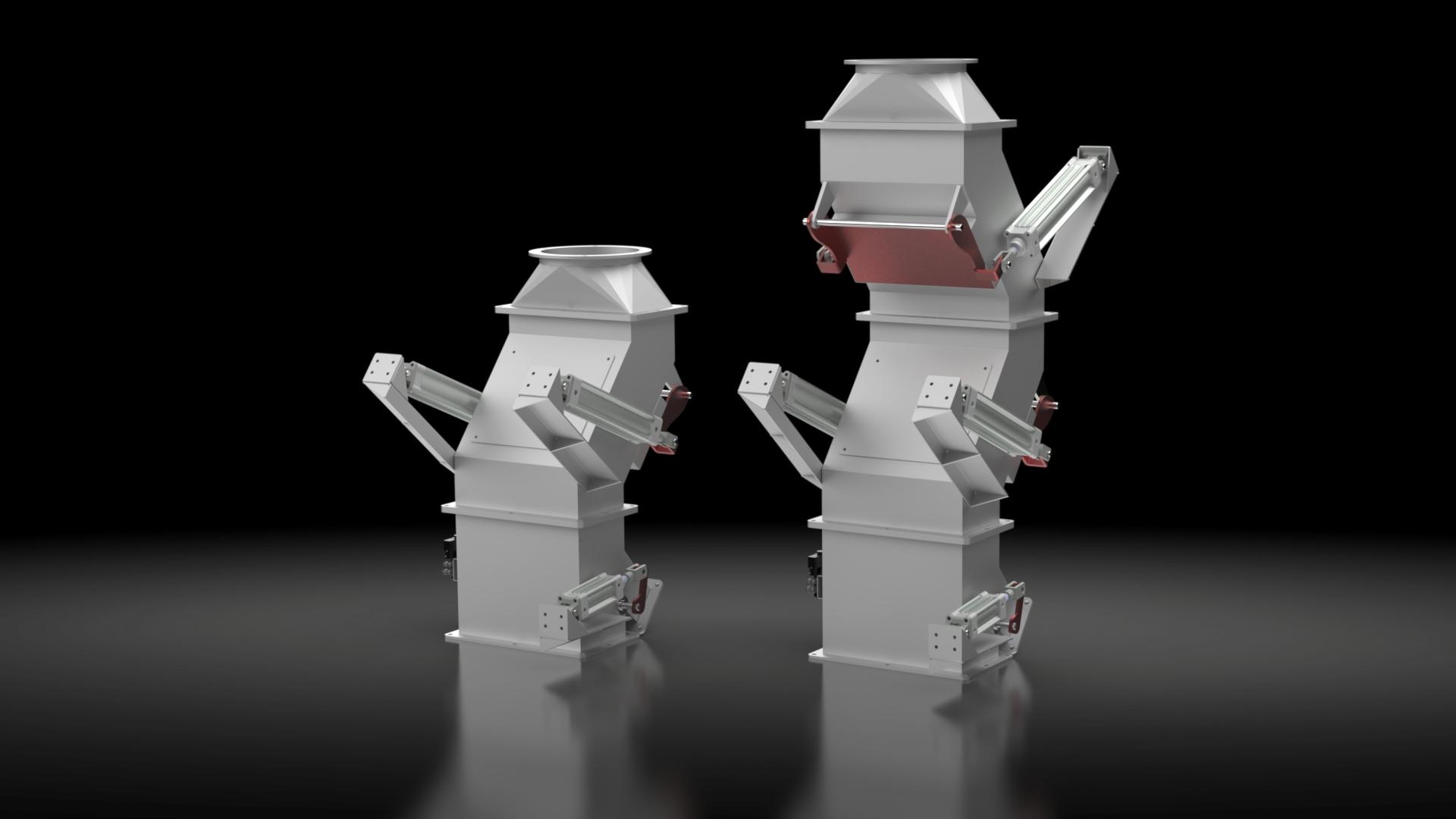
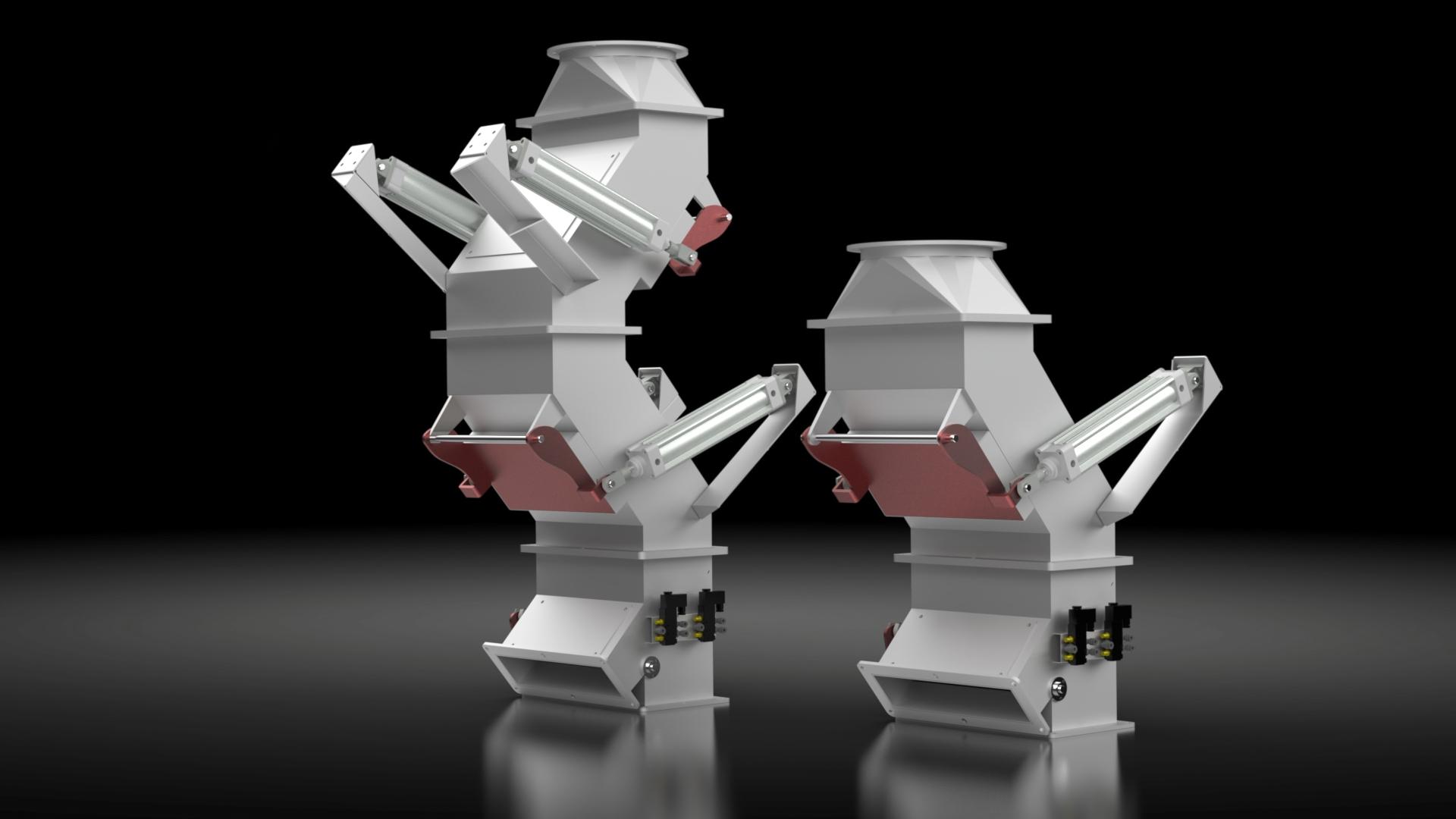
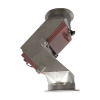
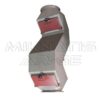
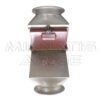
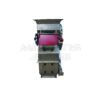
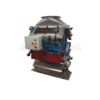
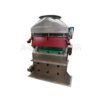


Magnetic Humps
Understanding Magnetic Humps: Advanced Metal Contamination Control
Magnetic Humps, often referred to as plate magnets or hump magnets, are critical components in various industrial processes designed to ensure product purity and protect downstream equipment from ferrous metal contamination. Engineered for gravity flow lines, they effectively capture unwanted magnetic particles from a wide range of dry, free-flowing materials.
They are designed to clean metal wastes as they flow from the gutters in accordance with gravity, with the weight of grain, feed wood chips, sand, plastic, fiber, chemicals, textile products, cotton fiber etc. These robust separators are typically constructed from high-grade stainless steel (e.g., 304 or 316 for food-grade applications), ensuring durability, corrosion resistance, and compliance with hygiene standards in sensitive industries. Plate magnets can be hinged, latched, etc. for easy cleaning. It is designed in the form of a connected cover, facilitating straightforward installation and maintenance within existing production lines, often at angles that optimize material flow and magnetic capture.
Principle of Operation and Design Features
Effective Contaminant Removal
The core function of a magnetic hump relies on powerful permanent magnets, often high-strength Neodymium (NdFeB) or Ceramic (Ferrite) magnets, strategically positioned within the flow path. These magnets are housed within a durable casing, creating a powerful magnetic field that permeates the flowing product stream. As materials like grain, feed, wood chips, sand, plastic, fiber, chemicals, textile products, or cotton fiber flow over or around these magnetic plates, ferrous contaminants – ranging from tramp iron, bolts, nuts, and wires to fine iron dust and weakly magnetic stainless steel fragments – are drawn out of the product stream and securely held on the magnet face. This prevents costly damage to processing machinery such as grinders, pulverizers, extruders, and pelletizers, while also safeguarding the end-product quality and preventing product recalls.
Cleaning Mechanisms: Manual vs. Automatic
Cleaning is done manually as they are permanent magnets. For applications where simplicity and cost-effectiveness are priorities, manual cleaning involves unlatching the magnet assembly and physically wiping away the accumulated ferrous material. This method is straightforward, requires minimal infrastructure, and is suitable for operations with less frequent contamination or readily accessible installation points, allowing operators to visually inspect the captured contaminants.
However, for more demanding environments, the cleaning of plate magnets can be designed as automatic cleaning with pneumatic release with the help of scraper cover. This advanced option significantly reduces downtime and labor, enhancing operational efficiency and safety. The pneumatic system automatically retracts the magnet assembly from the housing, allowing a robust scraper mechanism to dislodge the captured contaminants into a collection bin, all without direct human intervention or exposure to the product stream. This automated process can be initiated by a timer, level sensor, or manually from a control panel.
Advanced Applications and Control
Optimized for Challenging Environments
Automatic cleaning makes the plate type magnetic separator suitable for situations where it is difficult or inaccessible to operate and clean. This is particularly advantageous in processes with continuous operation, high throughput, or hazardous materials (e.g., dusty, explosive, or toxic environments). They are very suitable for cleaning powders and iron powders in granules in free-fall lines or pipes, and for situations where it is difficult or inaccessible to operate the magnetic separator. Their fully enclosed, sealed design ensures minimal product leakage and robust performance even in dusty, moist, or high-temperature conditions, maintaining process integrity.
For seamless integration into modern industrial facilities, connectivity is key. With the junction box, it is possible to connect and control the magnet via the central control room. This allows for remote monitoring of operational status, scheduling of automated cleaning cycles, real-time fault detection, and integration into a broader plant automation system (e.g., SCADA or DCS). A local control box with PLC (Programmable Logic Controller) is optional, offering localized control, advanced programming capabilities for tailored cleaning schedules based on specific production batches or contamination levels, and comprehensive diagnostic feedback for predictive maintenance.
Impact Type Magnetic Plates for Enhanced Flow
Impact type magnetic plates are one of the most preferred magnetic separators in lines with product clogging since they are independent of people with pneumatic control and self-cleaning at regular intervals. Their unique design often features an angled or stepped configuration, or a heavy-duty deflector plate, that ensures product flow is maintained even with sticky, bridging, or high-volume materials, minimizing material hang-up points while still providing an effective magnetic field for contaminant capture. The automated, timed cleaning cycles of these impact humps prevent material buildup on the magnet face, ensuring consistent magnetic performance and uninterrupted product flow, which is crucial for maintaining production efficiency and product quality in challenging applications such as bulk solids handling, recycling, or mineral processing.
Please contact for more information.
Users also asked these questions
Industrial Magnetic Humps (Dog-Leg Separators) are heavy-duty, enclosed magnetic filtration housings designed specifically for vertical gravity-fall or pneumatic (blown) pipelines. The distinct "Hump" (Zig-Zag) geometry forces high-velocity bulk materials to change direction twice, smashing directly against two massive magnetic plates to extract heavy tramp iron.
They are critical for protecting downstream hammer mills, rotary valves, and extruders in high-volume flour milling, animal feed (pellet) production, wood chipping (MDF), plastic regrind facilities, and textile (cotton) pneumatic blow-lines where standard inline magnets would cause blockages.
In a straight vertical pipe, heavy tramp iron falls at terminal velocity and simply bounces past the magnets. The "Hump" abruptly alters the flow trajectory. The material crashes into the first magnetic plate, tumbles, and then crashes into the second plate. This violent tumbling action breaks apart clumps and guarantees that every piece of heavy iron is physically forced against the extreme magnetic field.
Yes, we engineer specific "Half-Hump" or fully pressurized Hump models. The housings are fabricated from heavy-gauge, fully welded AISI 304 or carbon steel, featuring pressure-tight, heavy-duty latches and premium silicone gaskets. They maintain factory line pressure without leaking dust or conveying air.
Depending on the factory's target, they are equipped with deep-penetrating Anisotropic Ferrite (for massive bolts, nuts, and heavy steel plates) or ultra-high-intensity Rare-Earth Neodymium (NdFeB) plates to capture fine iron wear dust and stainless-steel shavings from high-speed powder flows.
When the line is paused, the operator unlatches the heavy-duty quick-release clamps. The massive magnetic plates are mounted on heavy industrial hinges and swing open like doors, allowing the operator to easily wipe the accumulated tramp iron into a waste bin before locking them back into the pressurized housing.
Absolutely. We provide comprehensive B2B engineering. We custom-build the Hump housing to perfectly match your existing factory piping (e.g., from 100mm up to 600mm diameters), including custom transition flanges (round-to-rectangular) to ensure a Plug & Play retrofit into your facility.